Are Skin Tags Something To Be Worried Concerning?
Facts Regarding Skin Tags College Of Utah Health And Wellness
Attempting removal at home can bring about infection or scarring. Skin tags appear in a selection of sizes and shapes, from a few millimeters to a few centimeters. Their appearance can be affected by aspects such as genes, excessive weight, and hormone changes (such as those experienced while pregnant or due to problems like insulin resistance). As with all skin growths, if you notice a change in dimension or shade it's an excellent idea to see a clinical service provider.
The biggest issue with skin tags is the inflammation they cause. They may show a raised threat of certain health and wellness issues like insulin resistance and cardiovascular disease. Elimination techniques consist of cauterization, cryosurgery, excision, or ligation, which must be performed by a dermatologist or trained doctor.
Blemishes
- Analyze your skin with a mirror or ask someone to aid you.
- Dry skin is a harmless problem, but the going along with irritation, inflammation, and lame look of harsh, dry skin can be aggravating.
- Dr. Weisman can show you what it means to have a physician that is genuinely an advocate for your health.
- Dysplastic moles are moles that are typically larger than standard (bigger than a pencil eraser) and uneven fit.
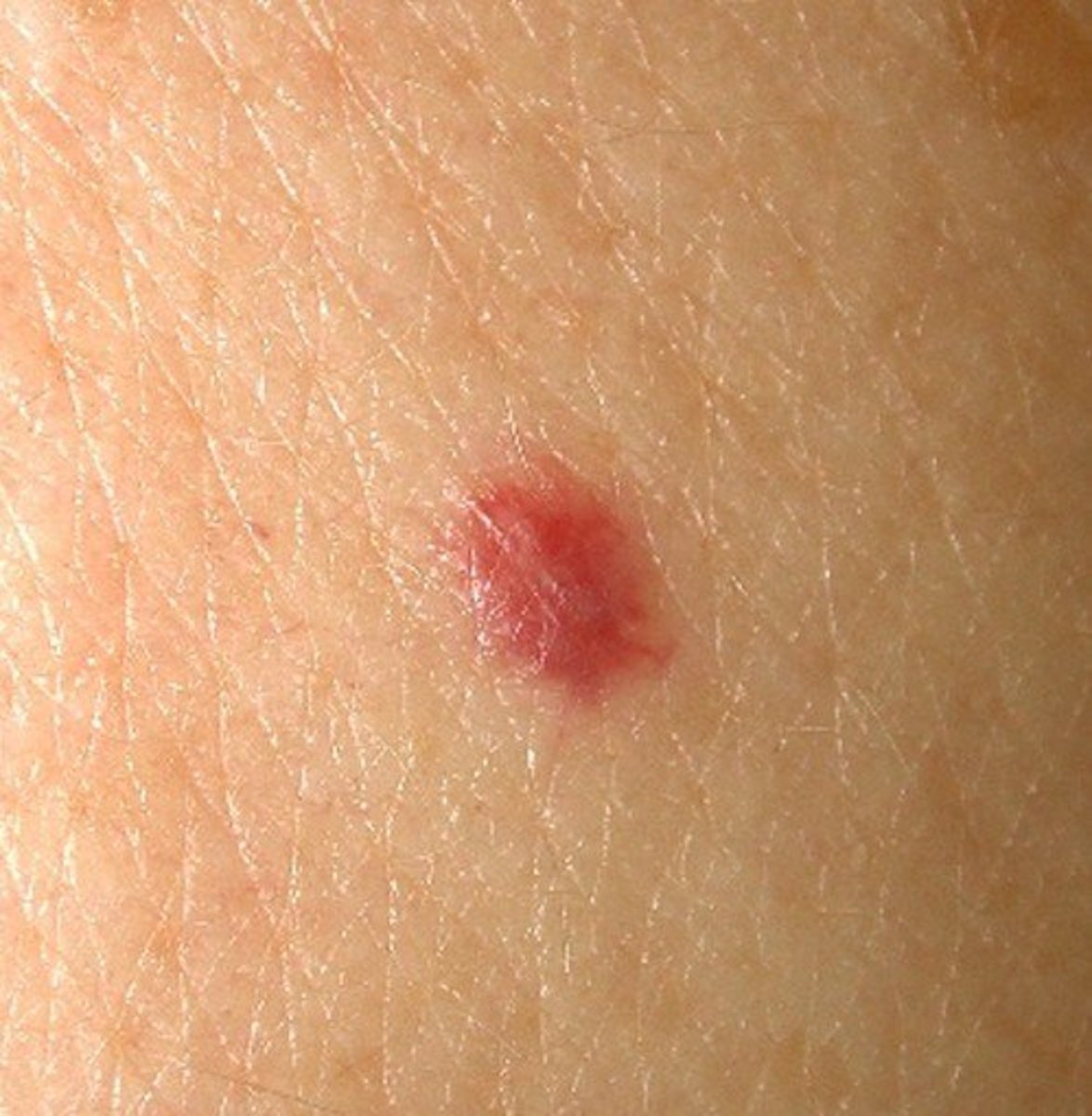
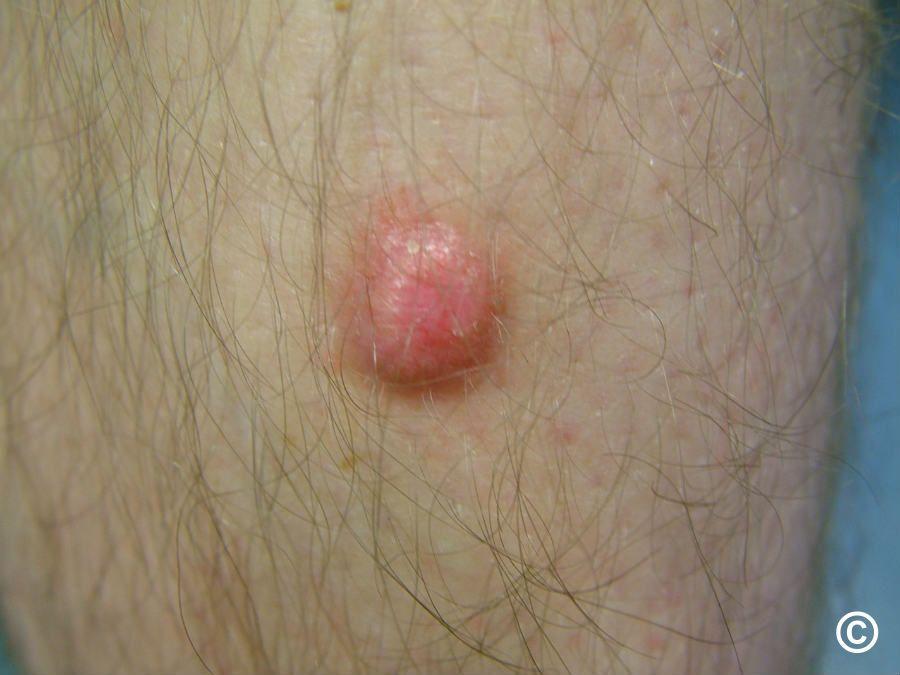
Moles
" Greater degrees of development factors (like during pregnancy), insulin resistance (more typical in individuals with diabetic issues,) and genetics could all figure in as well." Likewise, if you have underlying problems such as diabetic issues or issues about insulin resistance, talking about new skin tags with your medical professional may be valuable. Below is a medically based, easy-to-understand guide to skin tags, including reasons, treatment alternatives, and when to consult with a medical professional.It is best to apply a few decreases to a moistened Q-tip to make sure drops do not get in the eye. Skin tags in the underarm, neck, or groin area are extremely common and can come to be irritated when massaged against garments or other skin. However, since skin tags are unpleasant to look at, people are eager to do away with them promptly. The most safe means to get rid of skin tags is to make an appointment with a dermatologist, who can do it properly in a sterilized environment. If left untreated, skin tags may enlarge because of consistent rubbing with clothes and skin folds.
This can aid you figure out whether what you're experiencing warrants a medical professional's see and what concerns to ask throughout your consultation. If a skin tag ends up being uncomfortable, changes color considerably (such as transforming black because of twisting), grows rapidly, or looks irregular, it is necessary to have it examined. Generally, people aren't effective with DIY spot removal treatments. So save yourself the stress, and let a skin doctor care for it.